



























Is SeedProd not sending email notifications after someone submits your form?
The form may submit successfully, yet the notification never reaches your inbox. The cause can range from an incorrect WPForms notification setting to a WordPress mail transport problem, SMTP configuration error, sender-address mismatch, or email filtering.
The good news is that you can usually identify the failure point by troubleshooting the notification path in order.
In this guide, you’ll learn how to fix SeedProd not sending email problems by checking WPForms notifications, configuring an authenticated mailer with Post SMTP, verifying your From and Reply-To addresses, and testing the form from the front end.
Why Is SeedProd Not Sending Email?
SeedProd’s Contact Form block integrates with WPForms, so WPForms handles the form creation and its notification settings while SeedProd displays the form on your landing page.
If the form submits but you don’t receive a notification, don’t assume SeedProd itself caused the problem. Start with the WPForms notification settings, then work through WordPress’s mail-sending path.
Common causes include:
- Incorrect Send To Email Address
- Incorrect or unauthorized From Email
- Disabled WPForms notifications
- Incorrect Reply-To Email Address
- Conditional notification rules that don’t trigger
- Problems with WordPress’s default mail transport
- SMTP authentication or connection errors
- Hosting restrictions on outbound mail
- Missing or incorrect email authentication
- Messages landing in the spam folder
- Recipient-side filtering
WPForms recommends checking the notification recipient, From Email, Reply-To address, and other notification settings when emails don’t arrive.
So don’t start by reinstalling SeedProd or changing unrelated settings.
Start with the notification path.
How SeedProd Email Notifications Work
When someone submits a SeedProd contact form, several components work together:
Visitor submits form → WPForms processes the submission → WordPress calls wp_mail() → PHPMailer processes the message via hosting provider or the configured SMTP Mailer mail transport handles the message → the receiving mail system accepts, filters, delivers, or rejects it
A failure at any point can look like a SeedProd email problem.
For example, if WPForms doesn’t trigger its notification, changing the mailer won’t fix the notification rule. If WPForms creates the message but WordPress can’t hand it to the configured mail service, the form can look perfectly fine while the email fails.
And that’s why the order of your troubleshooting matters.
How to Fix SeedProd Not Sending Email
Work through these four steps in order.
- Check your SeedProd and WPForms notification settings.
- Configure Post SMTP for WordPress email.
- Check and standardize your From email address.
- Test your SeedProd form.
Let’s start with the form settings.
Step 1: Check Your SeedProd and WPForms Notification Settings
SeedProd’s Contact Form block uses a WPForms form, so check the notification configuration inside WPForms first.
First, make sure you’ve created the form in WPForms and selected it in your SeedProd page.
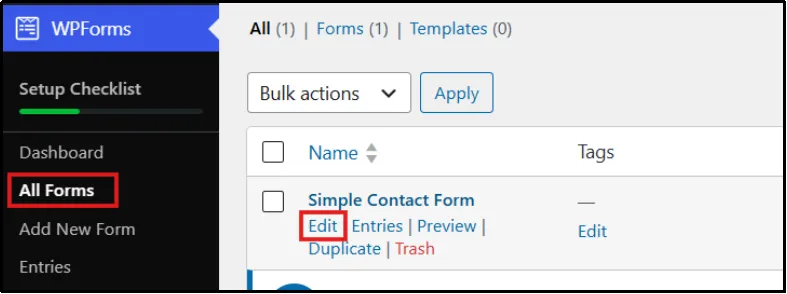
1. Edit your WPForms form
Go to WPForms → All Forms and click Edit next to the form you’ve added to your SeedProd page.
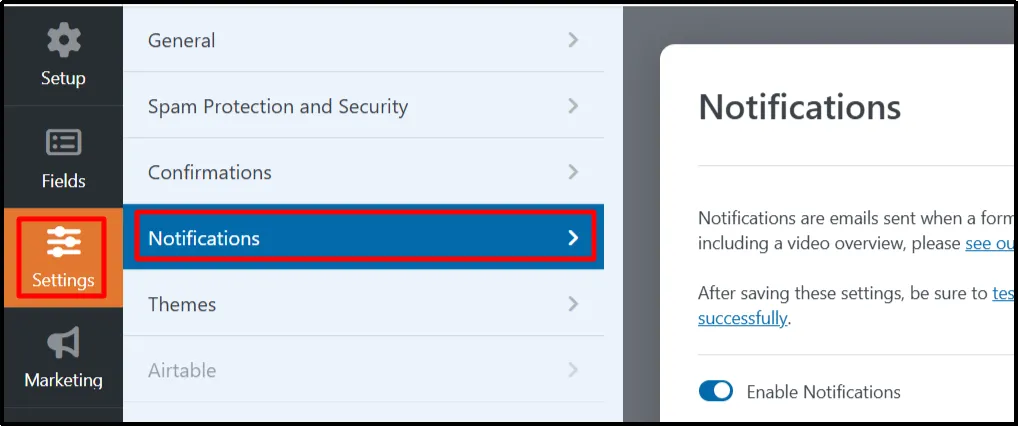
2. Open the Notifications settings
Go to Settings → Notifications.
3. Make sure the notification is enabled
Check the notification you expect to receive.
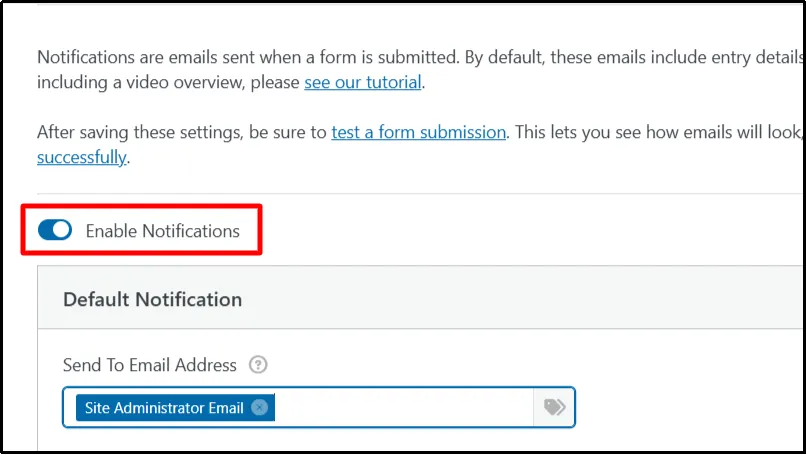
If you’ve disabled it, WPForms won’t send that notification when someone submits the form.
4. Check the Send To Email Address
Scroll to Send To Email Address.
WPForms can use the {admin_email} Smart Tag, which pulls the site’s WordPress administration email address. You can replace it with another valid address or add multiple recipients separated by commas.
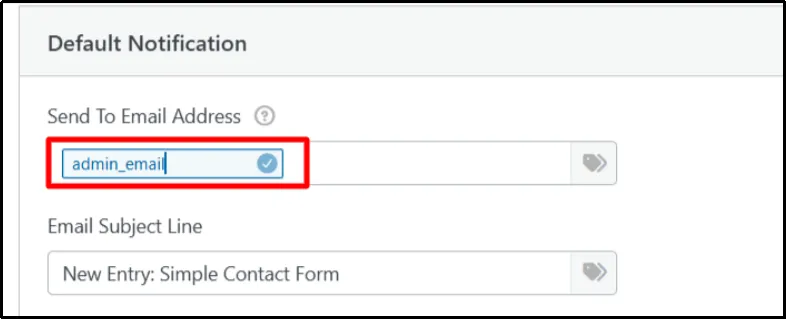
Check every address carefully.
One typo can stop the notification from reaching the intended recipient.
5. Check the From Email Address
Next, review From Name and From Email.
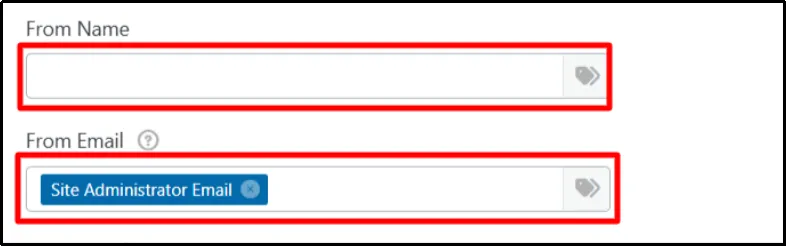
Use a sender address that your mail service allows you to send from. Ideally, use an address on your own domain rather than using the visitor’s email address as the From address.
6. Check the Reply-To Email Address
If you want to reply directly to the person who submitted the form, put the visitor’s email address in Reply-To rather than using it as the From address.
WPForms supports Smart Tags for this setup.
7. Save your changes
Click Save after reviewing the notification settings.
Your form settings should now be ready for testing.
Step 2: Configure SMTP in WordPress Using Post SMTP
If your WPForms notification settings look correct but the email still doesn’t arrive, investigate WordPress’s mail-sending process.
WordPress uses wp_mail() to send email. It normally relies on PHPMailer, which uses the configured transport to process and send messages. On a standard setup, that transport typically uses PHP’s mail() function, but plugins and server configurations can change how WordPress sends email.
If your hosting provider restricts outbound mail or doesn’t provide a properly configured mail service, messages may fail or never reach the recipient. Configuring Post SMTP with an appropriate SMTP connection or supported email API lets you route messages through your chosen mail service.
After configuring the mailer, send a test email and inspect the result before testing the actual SeedProd form.
To do so, follow the steps below:
1. Install Post SMTP
In your WordPress dashboard, go to Plugins → Add Plugin.
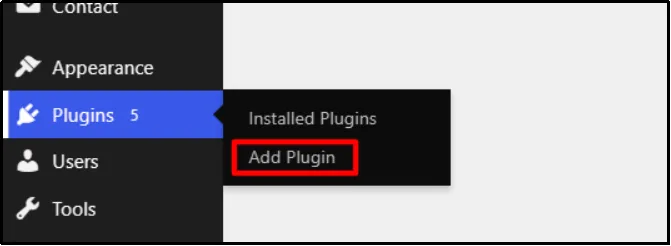
Search for Post SMTP, then click Install Now and Activate.
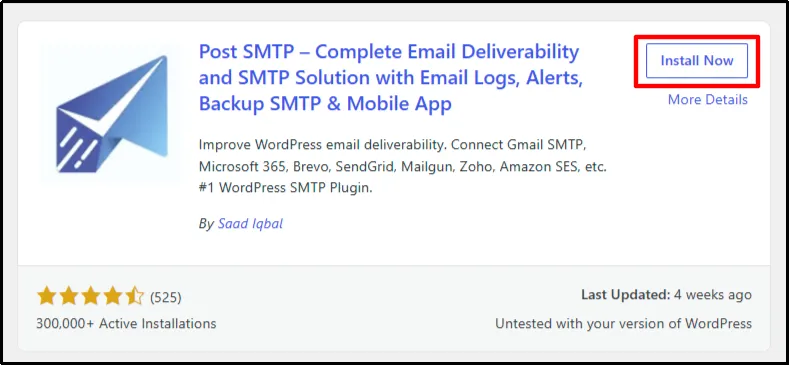
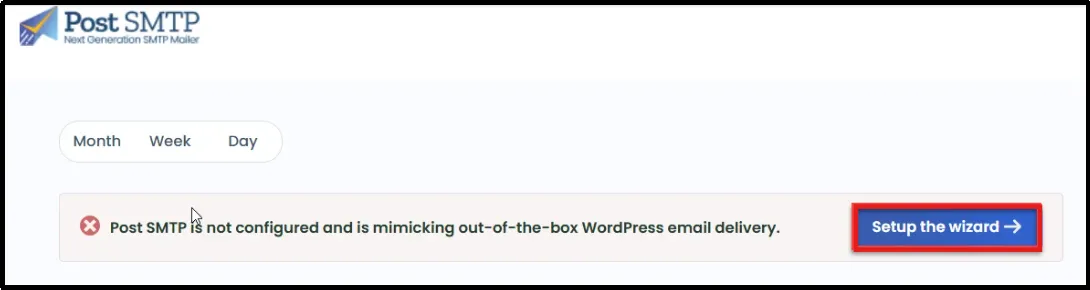
2. Open the Setup Wizard
After activation, Post SMTP can open its Setup Wizard.
You can also open the Post SMTP dashboard and start the wizard from there.
3. Choose your mailer
Select the mailer that matches your email provider.
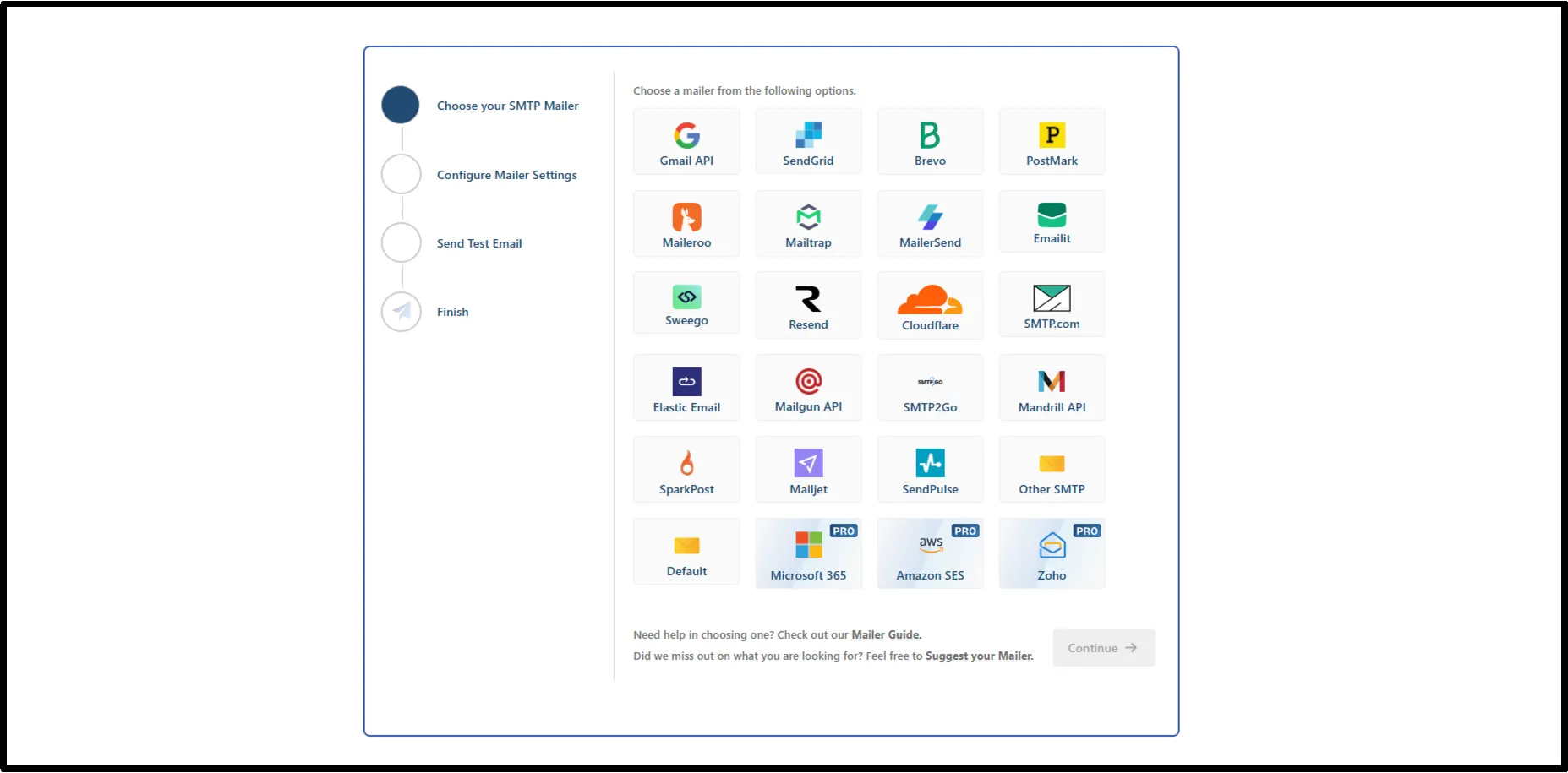
Depending on your setup, you may use an SMTP connection or an API-based integration. Post SMTP supports 20+ SMTP mailer integrations, including services such as Gmail, Microsoft 365, Brevo, Zoho Mail, Amazon SES, and others.
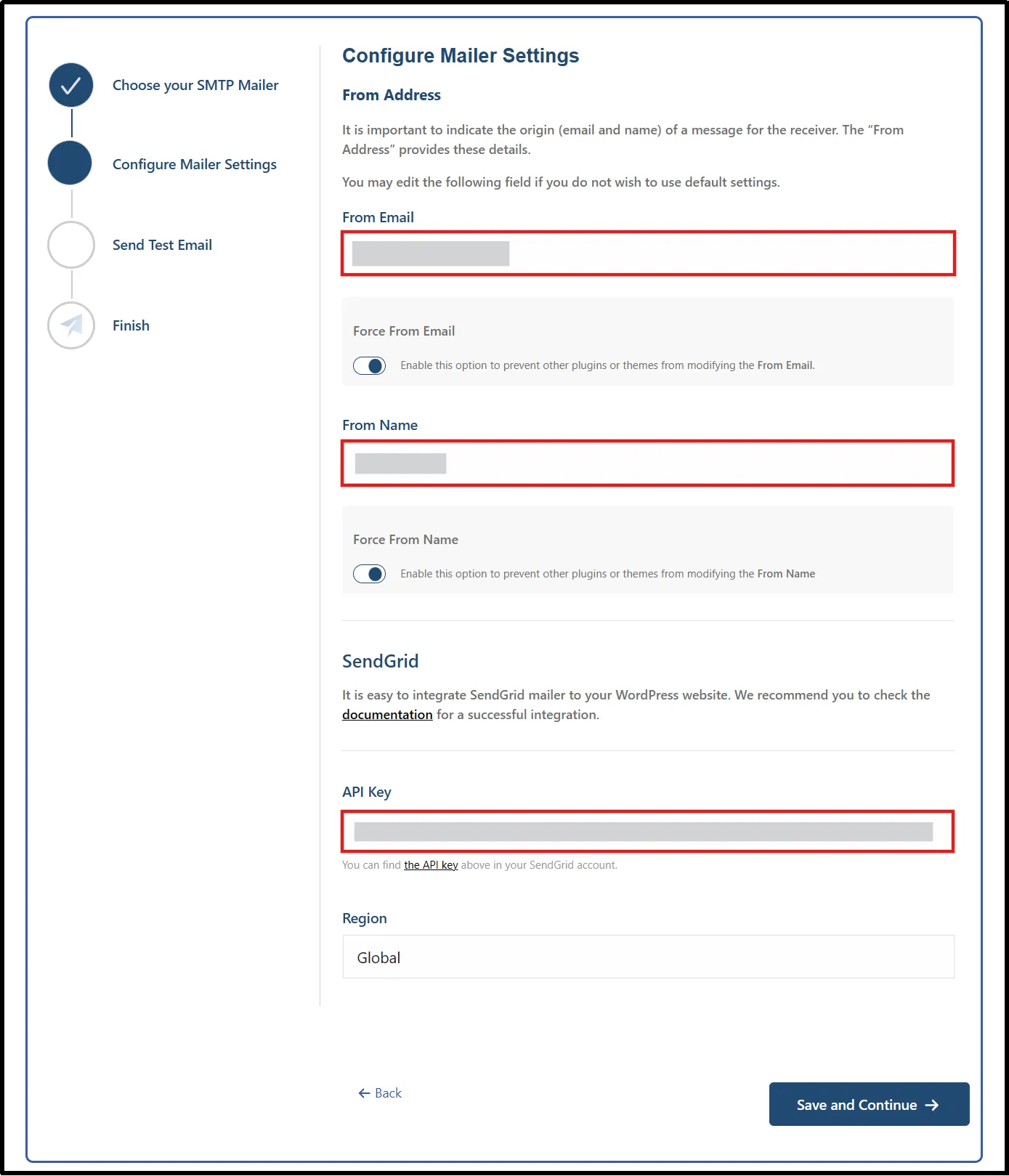
4. Enter the required details
Enter the information required by your selected mailer.
This may include:
- From Name
- From Email
- Secret Key/Value
- API key
- Provider-specific authorization details, etc.
The exact fields depend on the mailer you’ve selected.
Don’t copy SMTP settings from another provider.
Use the values your mail service provides.
5. Keep the sender address consistent
If your Post SMTP setup includes Force From Email and Force From Name, you can use those options to prevent plugins and themes from overriding the sender information.
This can reduce conflicts between different WordPress plugins.
It also helps keep your sender identity consistent with the domain and mailer you’ve configured.
6. Save the mailer configuration
Click Save and Continue.
Post SMTP will then let you send a test message.
7. Send a test email
Use a valid email address that you can access.
Click Send Test Email.
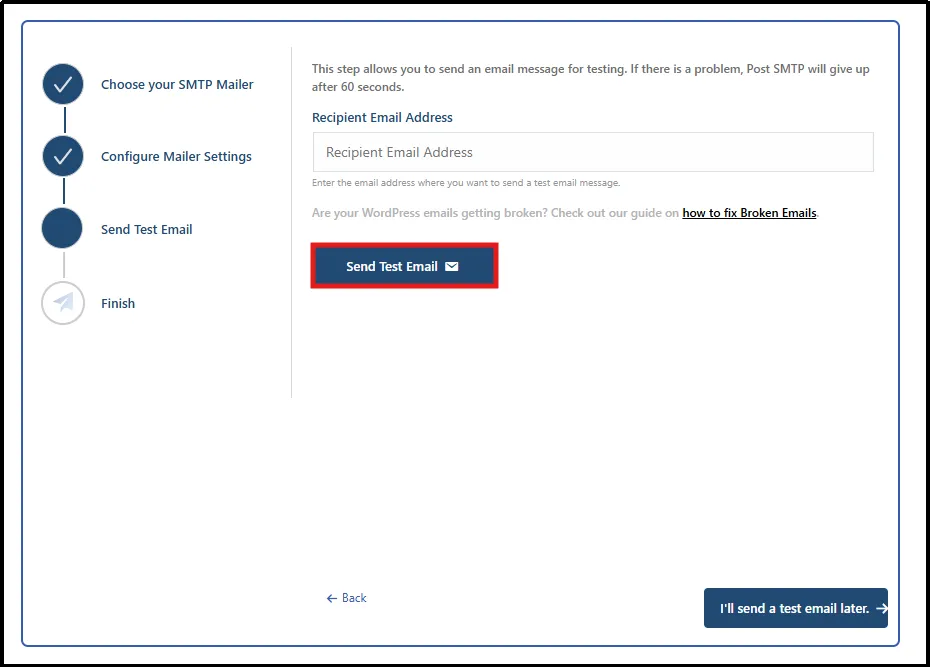
Then check the destination inbox.
The test tells you whether WordPress can send a message through the configured mailer. It doesn’t prove that your SeedProd form triggers the correct WPForms notification.
Step 3: Set a Consistent From Address in Post SMTP
- In your WordPress dashboard, open Post SMTP → Settings.
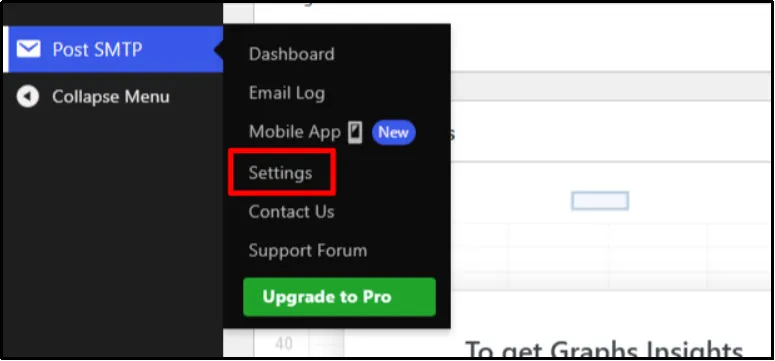
- Open the Message tab.
- Find the From Email or Email Address field and enter an address authorized by your sending provider. If you use an API-based mailer, follow the sender-address requirements of that service.
- If the option is available, enable Prevent plugins and themes from changing this to keep other plugins and themes from overriding the configured address.
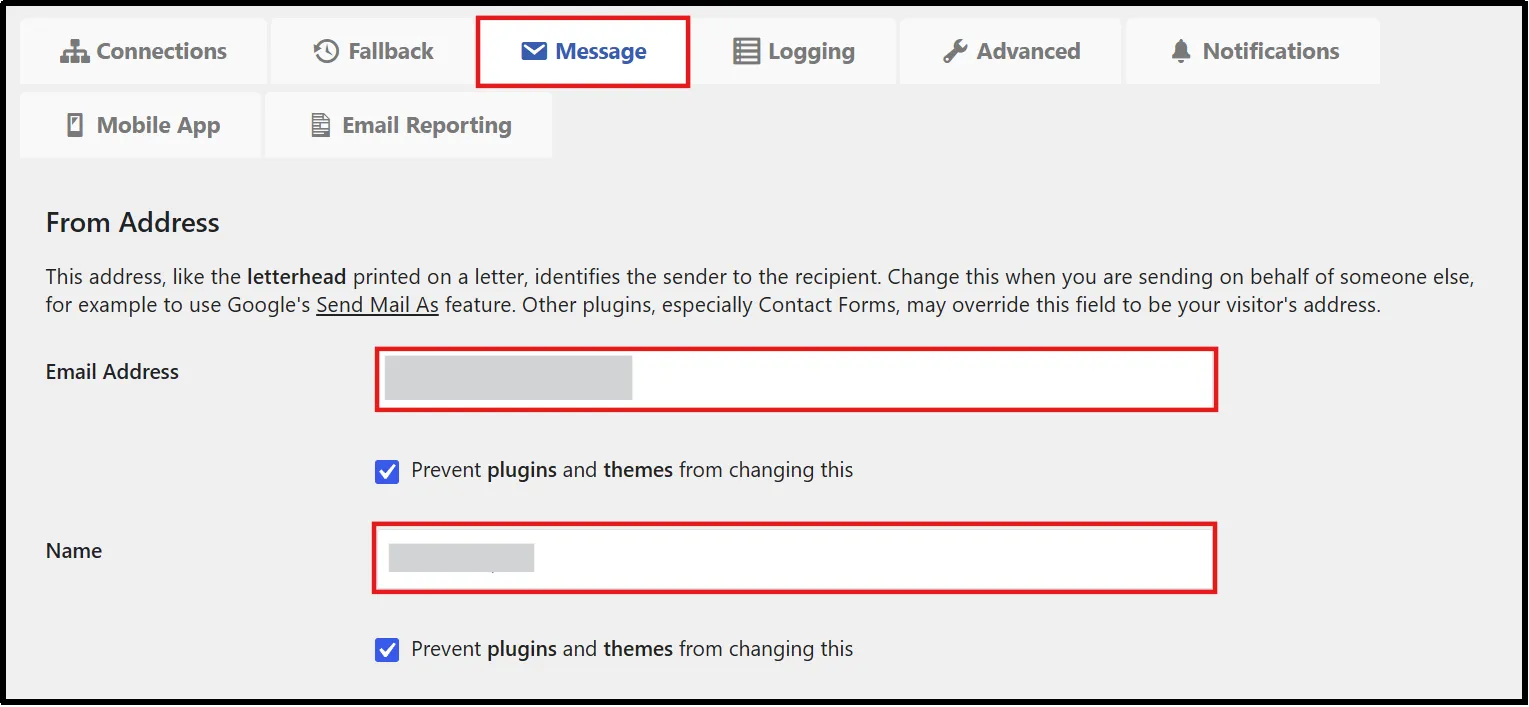
- Click Save Changes.
Next, submit your SeedProd form again and check the Post SMTP Email Log. A consistent From address can help prevent sender-identity conflicts, but it doesn’t guarantee inbox delivery.
Step 4: Test Your SeedProd Form
Your Post SMTP test passed. Great.
Now test the actual form.
The mailer test and form test answer different questions. The first checks whether WordPress can send through the configured mailer; the second checks whether the SeedProd page triggers the expected WPForms notification.
1. Open the published SeedProd page
Use an incognito window or a separate browser.
2. Complete the form
Enter test information into every required field.
Use a real email address if your form uses the visitor’s email for Reply-To.
3. Submit the form
Click the form’s submit button.
4. Check the notification inbox
Look for the expected notification.
Check the spam folder too.
5. Check the Post SMTP Email Log
If the notification doesn’t arrive, open the Post SMTP Email Log and look for the message.
The result gives you your next clue.
SeedProd Still Not Sending Email? Troubleshoot by Symptom
Don’t change settings randomly.
Follow the evidence.
1. The Form Submits Successfully, but No Email Arrives
This usually means the form and the notification aren’t failing at exactly the same point.
Start with WPForms.
Check that:
- The notification remains enabled.
- The Send To Email Address is correct.
- The From Email uses an appropriate sender address.
- The Reply-To Email Address is configured correctly.
- Conditional notification rules match the submitted data.
- You’ve saved the latest notification settings.
If everything looks correct, check the Post SMTP Email Log.
2. Check Your Post SMTP Email Log
Email logs can show whether WordPress handed a message to your configured mailer and whether the mailer reported an error.
Look for the message status and the associated error or transcript.
An authentication error usually points toward credentials, authorization, or provider configuration.
A connection timeout usually points toward a network, port, firewall, or hosting restriction.
If the mailer accepts the message, investigate what happens after the message leaves your site rather than assuming SeedProd failed.
If no corresponding message appears in the log, check whether the form triggered the notification in the first place.
How to check your Post SMTP Email Log
- Go to Post SMTP → Email Log.
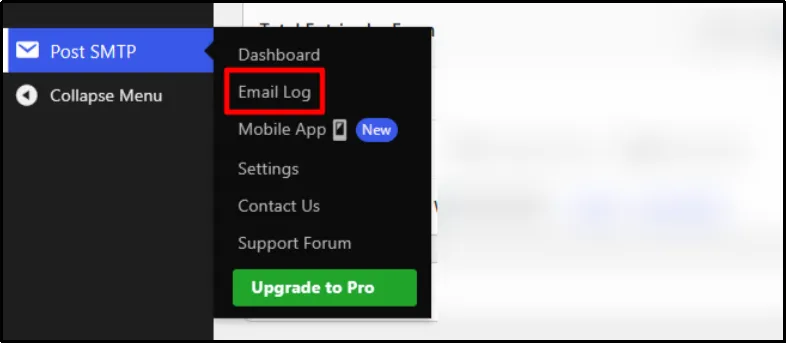
- Find the message generated by your test form submission.
- Open the message details or transcript.
- Review the status and error information.
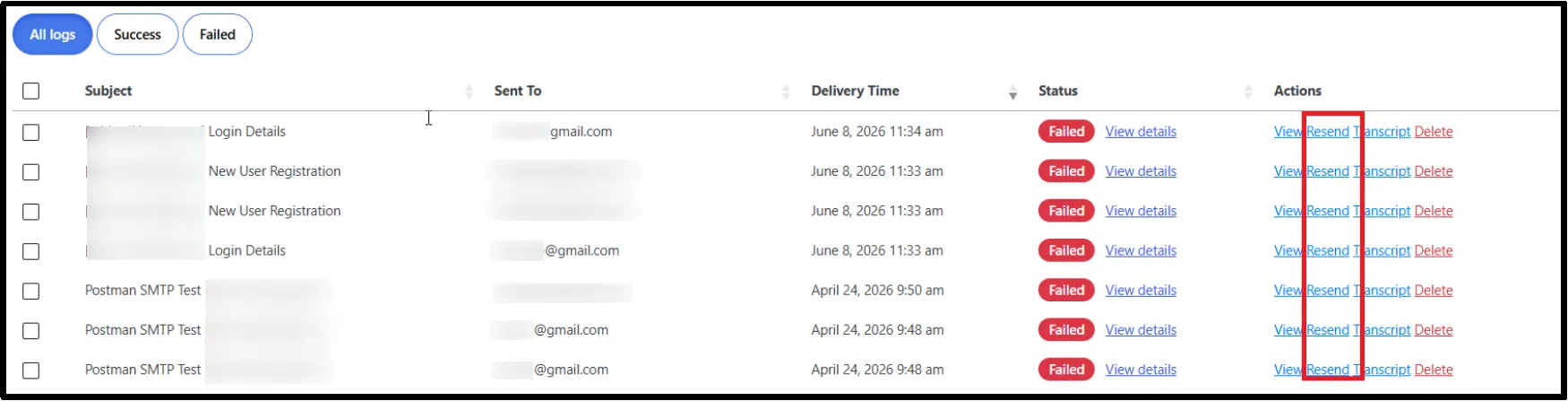
- If the message failed, correct the underlying problem and click the Resend button.
A useful rule applies here:
No log entry can mean no notification was triggered.
A failed entry points you toward the mail-sending stage.
A successful or accepted entry moves your investigation toward delivery and filtering.
3. SMTP Test Works but SeedProd Email Still Fails
This is a common point of confusion.
A successful Post SMTP test shows that WordPress can send through the configured mailer. It doesn’t confirm that WPForms generated the notification correctly.
Go back to the WPForms notification settings.
Check the recipient, From address, Reply-To address, notification status, and conditional logic. Then submit the SeedProd form again and check the Email Log.
If the form submission produces no corresponding email entry, focus on WPForms rather than the mailer.
Also, check your domain’s DNS records, including SPF, DKIM, and DMARC, to identify any email authentication issues. Later in this guide we will show you how to do so.
Need Help?
If the issue persists, contact our support team for expert WordPress email configuration. Our team can help you configure your mailer, verify your DNS records, and troubleshoot email delivery issues.
4. The Email Appears in Spam
If the notification reaches the spam folder, the form may already be working.
The problem has moved into email deliverability and filtering.
Check:
- SPF
- DKIM
- DMARC
- From-domain alignment
- Sender reputation
- Recipient-side filtering
- Message content
- Mailer configuration
Don’t treat a spam score as a guarantee of inbox placement.
Mailbox providers use their own filtering and reputation signals, so a diagnostic score can highlight potential problems without predicting exactly where every message will land.
5. Check Your Email Authentication
Your sending domain should have the authentication records required by your email provider.
Also read our guide on: Why Email Authentication is more important than ever.
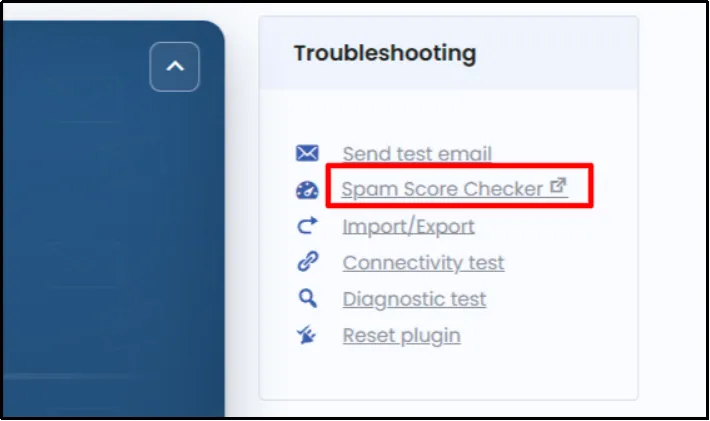
Fortunately, Post SMTP comes with a built-in Spam Score Checker that makes this quick and easy:
- In your Post SMTP dashboard, under the Troubleshooting section, click Spam Score Checker.
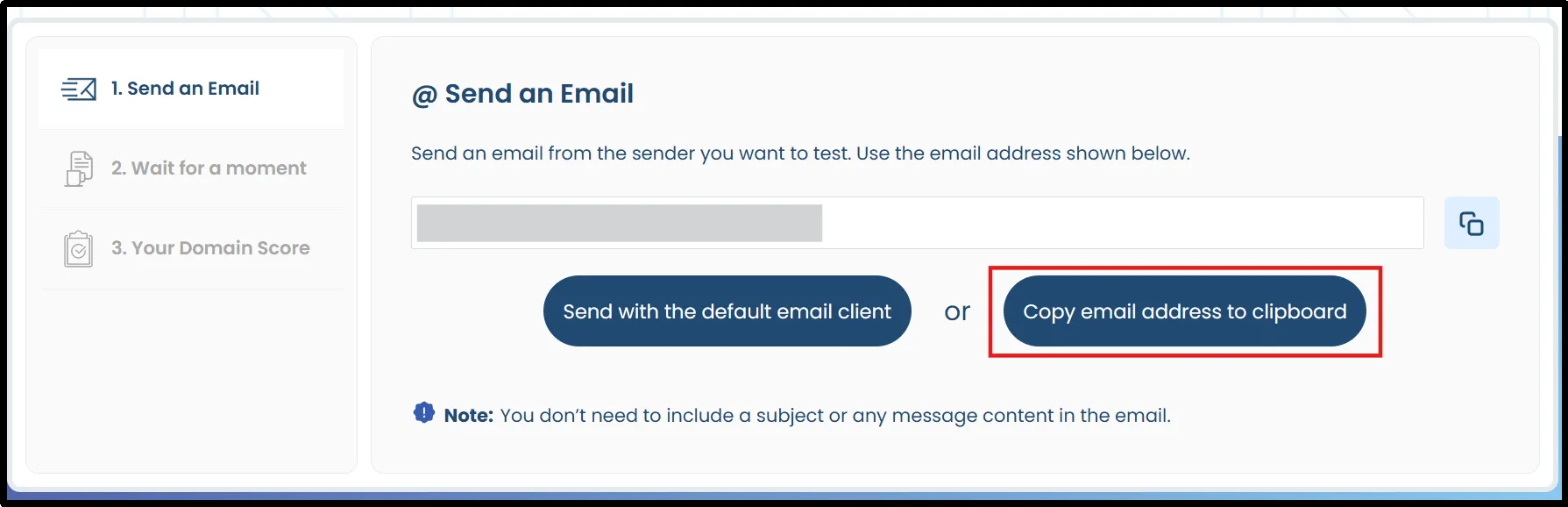
- On the subsequent page, click ‘Copy email address to clipboard.’
- Send a test email from your email domain to that address.
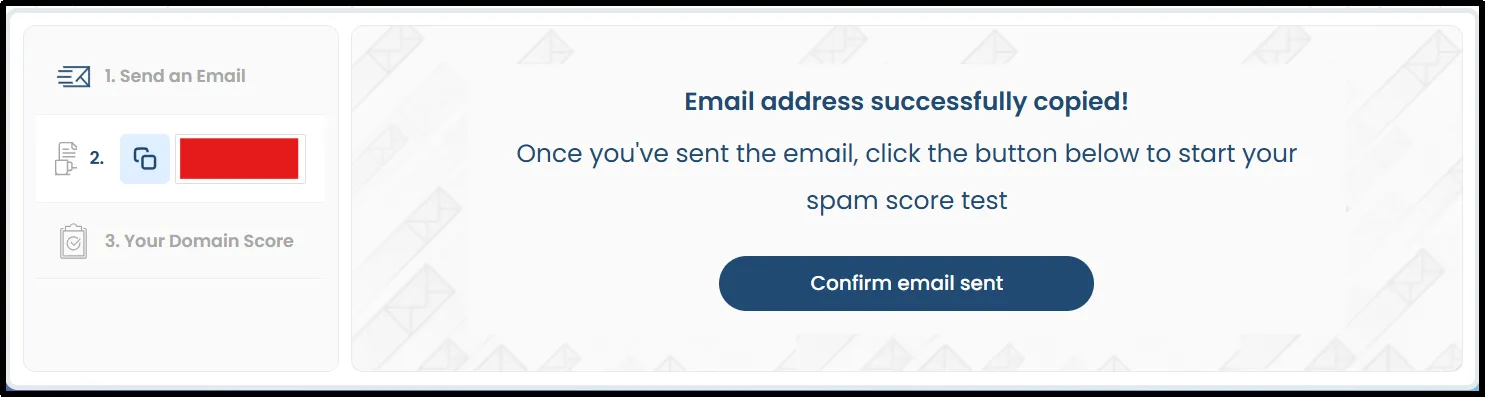
- Go back to the Spam Score tool and click Confirm Email Sent.
- Wait for a few minutes to see your results.
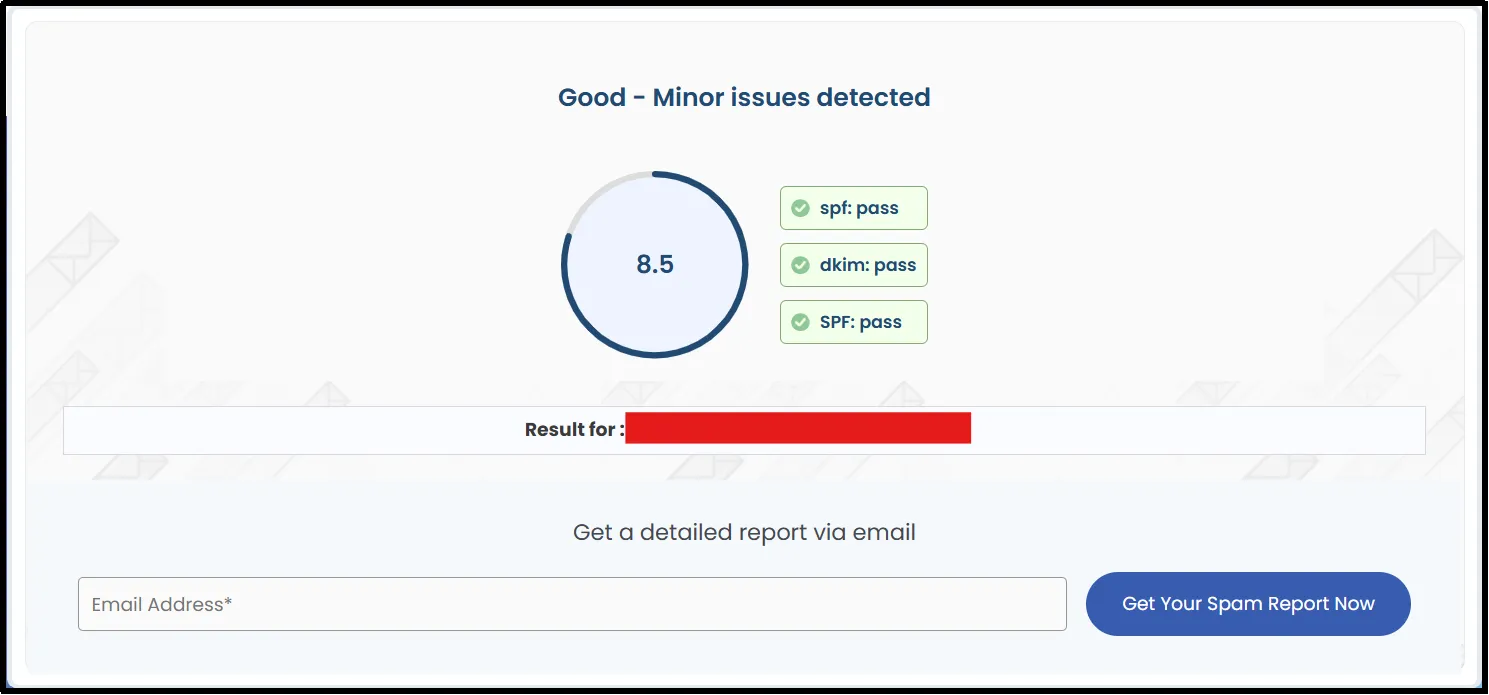
If your score isn’t up to par, here’s how to improve it:
- Set up SPF, DKIM, and DMARC records – they help prove your emails are genuine.
- Use a professional email address (e.g., examlpe@yourdomain.com instead of Gmail or Yahoo).
- Avoid spam trigger words like “FREE!!!” or “Act Now” in your subject lines.
- Check if your domain is blacklisted using a tool like MXToolbox.
- Don’t blast too many emails especially from a new domain.
6. Check Your Sender Identity
Use a professional sender address from a domain your mail provider authorizes.
For example:
example@yourdomain.com
Don’t use the visitor’s address as your From address just because you want to reply to that person.
Use their address in Reply-To instead.
7. Check Your Domain or IP Reputation
You can check whether your sending domain or IP appears on relevant blocklists using a reputable diagnostic service.
Treat a blocklist result as one signal, not proof that every recipient will reject your email.
Mailbox providers use multiple reputation and filtering systems.
8. Review Your Email Content
Avoid misleading subject lines, excessive punctuation, deceptive claims, and other content patterns that can make legitimate messages look suspicious.
Don’t rely on a simple list of so-called spam trigger words.
Modern filtering uses multiple signals.
9. Could Not Connect to SMTP Host
A connection error usually means WordPress can’t establish the required connection to the selected mailer.
Check these settings:
- SMTP hostname
- SMTP port
- Encryption method
- Authentication credentials
- API credentials, if you’re using an API-based mailer
- Hosting restrictions on outbound connections
Your provider’s documentation should specify the correct connection details.
10. Connection Timed Out
A timeout usually points toward a connection problem.
Check the port, firewall rules, hosting restrictions, network access, and mail server configuration.
If your provider offers an API integration, check whether that option can avoid the SMTP connection you’re currently troubleshooting.
Fix SeedProd Email Notifications With Post SMTP
When SeedProd isn’t sending email, don’t immediately blame the landing page.
Start with the notification.
Check the WPForms settings, confirm the recipient, verify the From and Reply-To addresses, and make sure any conditional rules can actually trigger.
If those settings look right, test WordPress’s mail path with Post SMTP and inspect the Email Log.
And if the SMTP test succeeds but SeedProd still doesn’t send a notification, return to WPForms rather than repeatedly changing your mailer settings.
If the notification leaves your site but lands in spam, investigate SPF, DKIM, DMARC, sender identity, reputation, and recipient filtering.
Post SMTP gives you tools for testing your mail connection, reviewing email activity, and investigating failed messages, so you can work from evidence instead of guessing.
Fix the point where the message fails.
Then test the form again.
Get Post SMTP and start troubleshooting your WordPress email delivery →
Need Help?
If the issue persists, contact our support team for expert WordPress email configuration. Our team can help you configure your mailer, verify your DNS records, and troubleshoot email delivery issues.
Frequently Asked Questions
Can SeedProd Send Emails Without SMTP?
SeedProd’s Contact Form block uses WPForms to manage form notifications, and WordPress can send these messages through its default mail transport. An SMTP connection or supported email API can provide a more reliable sending route. SeedProd’s Optin Form block works differently and doesn’t send notification emails by default.
Why Does My SeedProd Form Submit but Not Send an Email?
First, identify which SeedProd form block you’re using. For the Contact Form block, check WPForms notification settings, recipient addresses, From and Reply-To fields, and conditional logic. Then test your mailer and review the Post SMTP Email Log. For the Optin Form block, check its subscriber settings and email marketing integration.
Why Are My SeedProd Emails Going to Spam?
Check SPF, DKIM, and DMARC, confirm that your sending provider authorizes the From address, and review sender reputation and recipient-side filtering. These checks can help identify problems, but they cannot guarantee inbox placement.
Why Does My SMTP Test Work but SeedProd Email Still Fails?
A successful mailer test doesn’t confirm that the form triggers the expected notification. Check the form type, notification settings, recipient address, and conditional rules. Submit the form again and look for the resulting message in the Post SMTP Email Log.
Can SMTP Fix SeedProd Not Sending Email?
SMTP can help when WordPress’s default mail transport causes the problem. It won’t fix a disabled notification, an incorrect recipient, an unmet conditional rule, or a form block that doesn’t send notification emails by default.
Can SeedProd Send Emails Without SMTP?
Yes. SeedProd can send emails through WordPress’s default mail path, but SMTP or an API mailer can improve reliability.
Why Does My SeedProd Form Submit but Not Send an Email?
Check WPForms notifications, Send To, From, Reply-To, and conditional logic. Then review the Post SMTP Email Log.
Why Are My SeedProd Emails Going to Spam?
Check SPF, DKIM, DMARC, your From address, sender reputation, and mailer settings.
Why Does My SMTP Test Work but SeedProd Email Still Fail?
An SMTP test only confirms the mailer works. Check WPForms notifications, addresses, and conditional logic.
Should I Use the Visitor’s Email as the From Address?
No. Use your domain email as From and the visitor’s email as Reply-To.
Can SMTP Fix SeedProd Not Sending Email?
Yes, if WordPress’s mail-sending path causes the issue. SMTP won’t fix WPForms notification or configuration problems.
What Should I Check First When SeedProd Stops Sending Emails?
Check WPForms notifications and email addresses first. Then run a Post SMTP test and review the Email Log.